Performance & Recovery Limitations Aren’t Always Obvious in Standard Bloodwork
As a strength & conditioning coach, physician, dietitian, or trainer, you can see your athlete’s effort. You can measure strength, speed, endurance, and so on. But what about the metabolic imbalances and blockages that silently undermining performance?
The gut symptoms that the athlete dismisses as “normal” and develops “workaround” strategies for?
The micronutrient deficiencies that can’t be measured in blood?
The genetic variations that reduce a specific metabolic pathway’s function by 70?
Standard assessments miss these key determinants of performance and recovery. That's precisely where your athletes lose competitive advantages—not in the gym, but in the data you're not yet looking at yet.
It’s time to break through those barriers to performance with new lab testing tools and a new clinical framework. You can do it. We can help.
Meet Your Guide: Warren Brown, ND
Dr. Brown earned his undergraduate degree from Kennesaw State University and his doctorate degree from The School of Naturopathic Medicine at Bastyr University in Seattle, Washington. He completed his clinical rotations at the Bastyr Center for Natural Health and several other clinics throughout the state of Washington. He then went on to complete an 18-month clinical residency program in Tacoma, Washington.
He has also completed additional coursework in functional medicine and has lectured at functional and integrative medicine conferences worldwide on the topic of laboratory testing. He has also served as a contributor to the 5th Edition of the Textbook of Natural Medicine and the 1st Edition of the Integrative Sport and Exercise Nutrition textbook.
Dr. Brown is a member of the American College of Sports Medicine, European College of Sport Science, The American Association of Naturopathic Physicians, and the Georgia Association of Naturopathic Physicians. He holds a naturopathic physician license in Arizona, in the United States.

Since 2012, Dr. Brown has been helping athletes and active individuals to reach their highest levels of health and performance through his advanced clinical approach. He currently serves in a laboratory consultant role for several professional sports teams in the NBA, NFL, NHL, MLB, and MLS, as well as several Olympic teams worldwide.
Mentorship for Clinicians Who Work With Athletes
Advanced laboratory testing is most valuable when it can be translated into clear clinical questions, thoughtful case interpretation, and practical next steps.
Our mentorship is designed for clinicians who want structured guidance applying systems-biology and specialty-laboratory concepts to athletes and active individuals. Through on-demand online coursework + monthly small-group case discussions, you develop greater confidence in evaluating complex cases involving performance, recovery, gastrointestinal symptoms, metabolic health, and laboratory data.
Whether you are developing your foundations in athlete assessment or refining an advanced specialty-testing approach, mentorship provides an opportunity to connect theory with clinical application.

Introducing Clinical Advances for Sport — Now Available as an eBook!
Dr. Brown’s guide revolutionizes the assessment of the athlete’s biochemistry through a systems biology, multi-omic approach—providing a systematic framework and roadmap built on over a decade of expertise in specialty laboratory testing.
What to Expect
This eBook highlights key biomarkers essential for the biochemical assessment of athletes and provides an overview of the current landscape of specialty laboratory testing. It integrates cutting-edge research from medical and sports science, making it an indispensable resource for healthcare providers seeking to incorporate new and innovative laboratory testing into their work with athletes.
Get It Now
Sign up for the mentorship and receive a free copy of the eBook emailed to you. See a side of sports medicine that you didn’t know existed.
The “-omics” Sciences are the Present & the Future of Sports Science
Sports performance exists at the intersection of multiple biological systems—all working together in real time. Your athletes' microbiome influences immune function and energy production. Their metabolic efficiency impacts recovery speed. Their genetic pathways govern enzyme capacity. None of these systems exist in isolation. All of them become visible with advanced testing.
This is exactly where multi-omics shines. By measuring across microbiome, metabolome, and genome simultaneously, you get a comprehensive picture of what's actually limiting performance—not fragments, but whole systems.
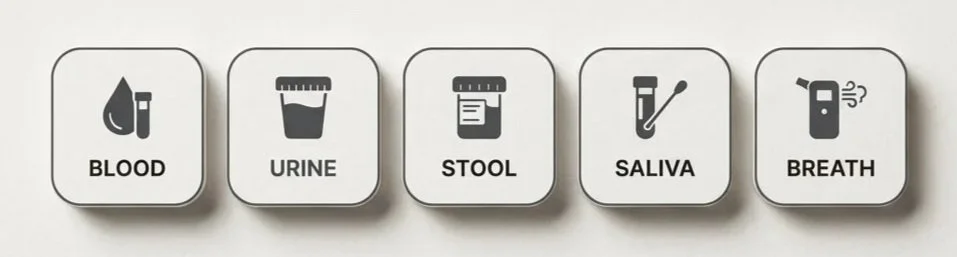
Elite programs are starting to catch on to this, gathering the abundance of data recently available through blood, urine, stool, saliva, and breath. They're running integrated assessments that show how all systems interact.

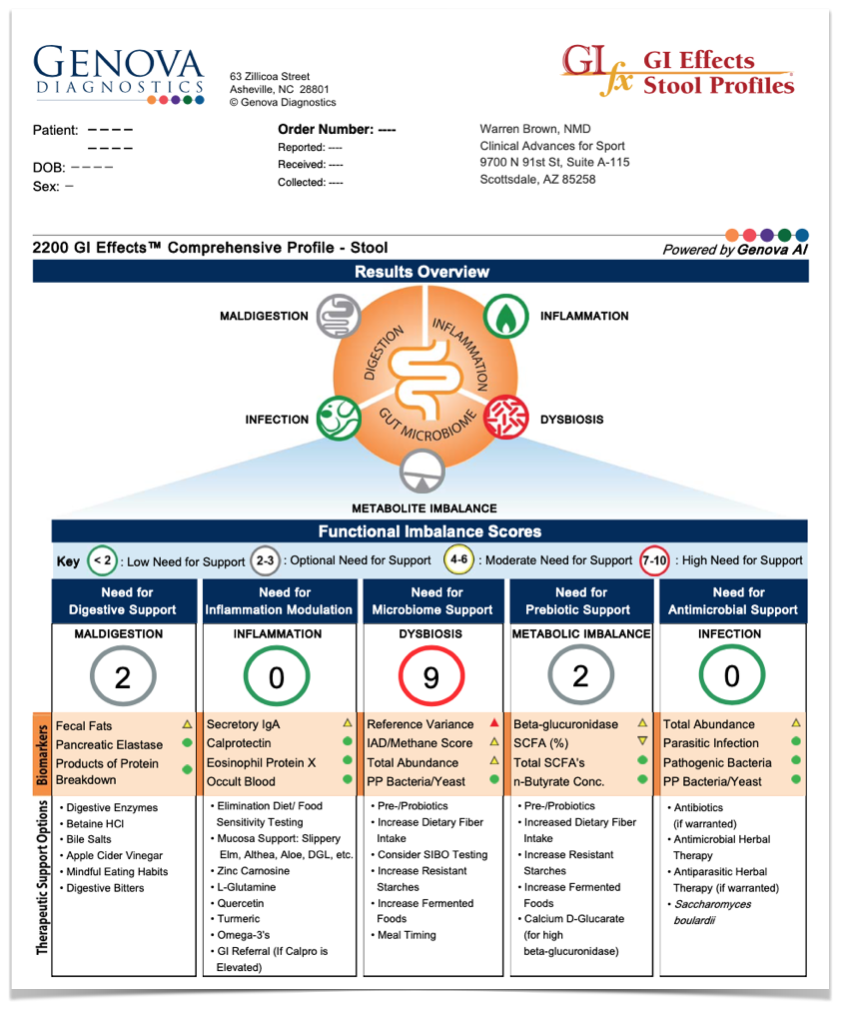
The gut microbiome is a vast community of trillions of microorganisms that reside in the digestive tract. It's an entire ecosystem living within us. Collectively, its metabolic activity is similar to that of the liver, one of the most metabolically active organs in the entire body. When balanced, this ecosystem is working for us; when imbalanced, it’s working against us.
Some studies indicate that 30%-70% of athletes have gastrointestinal problems, which has led to an increased emphasis in sports medicine research.
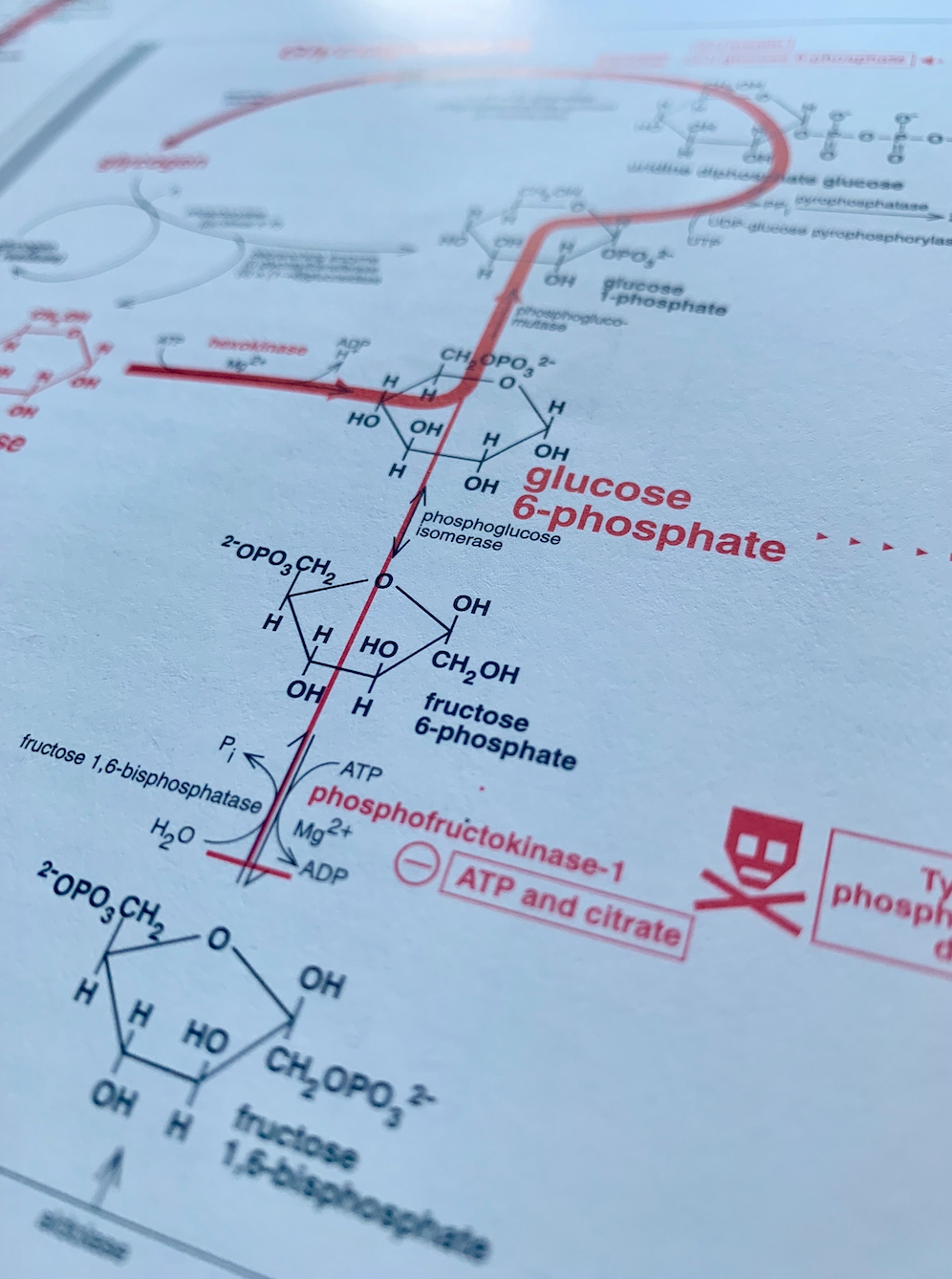
Metabolomics is the study of small biological molecules produced by the body, known as metabolites. These metabolites serve as “receipts” for important body systems, which can help to identify metabolic blockages in the athlete.
In the clinical setting, a metabolomic assessment can easily be done by a specialty laboratory by a simple urine sample. From it, a comprehensive analysis of over 100 metabolites is reported in systems-based format, providing a panoramic view into metabolic status.


Functional genomics is a scientific field that seeks to understand the relationship between genes and their phenotypic expression. It’s the study of how genes influence the functions of an organism. DNA dictates how enzymes in the body are made. Enzymes are essential to cellular function, since they are responsible for speeding up (or slowing down) countless chemical reactions in the body. By better understanding how an athlete’s enzymes are built, we gain a deeper understanding of pathway potential.

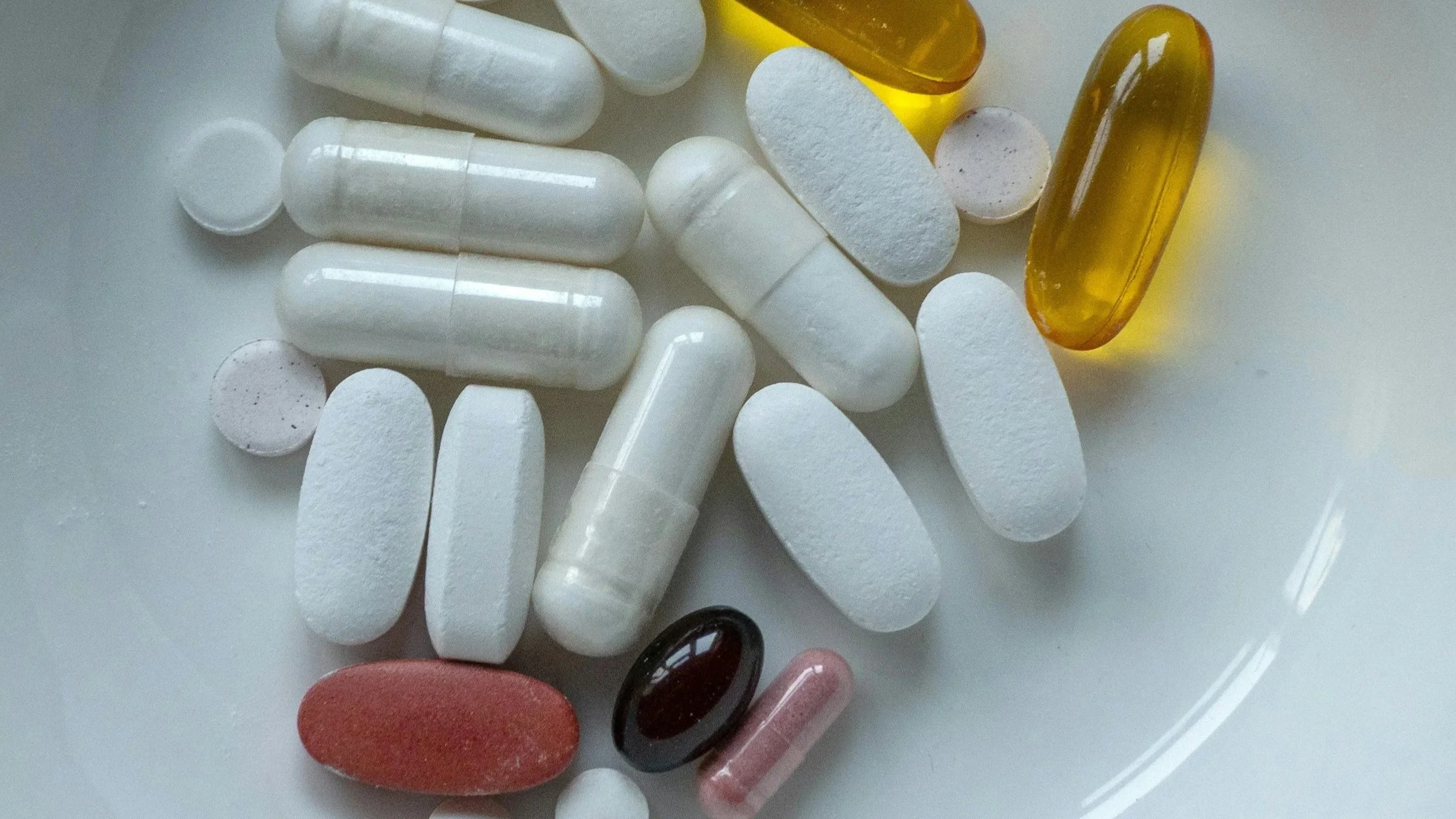
From Guessing with Dietary Supplements to Personalized Precision Athlete Protocols
Athletes and performance staff face a marketplace of more than 100,000 dietary-supplement products in the United States. Even within the NSF Certified for Sport® directory, there are hundreds of products to consider. Third-party certification is an important step toward product-quality assurance and reducing the risk of banned-substance contamination—but it does not answer the most important clinical question:
Is this the right intervention for this athlete, at this time, and why?
Athletes commonly receive recommendations for creatine, vitamin D, protein, omega-3s, electrolytes, probiotics, and other products. Yet no two athletes have the same diet, training load, gastrointestinal health, nutrient status, recovery demands, or biological response.
Clinical Advances for Sport helps practitioners add precision to athlete recommendations. By integrating clinical assessment with carefully selected microbiome, metabolomic, and genomic data, practitioners can investigate factors that may influence nutrient needs, energy metabolism, gastrointestinal tolerance, recovery, and response to dietary interventions.
The goal is not more supplements. It is greater clarity: better clinical hypotheses, more targeted priorities, less unnecessary supplementation, and a structured way to monitor an athlete’s individual response.
If you are ready to move beyond generic supplement recommendations and apply a more individualized, systems-biology approach to athlete care, consider joining our mentorship.